A Beginner's Guide to Fenland Market Towns: Wisbech, March, and Chatteris
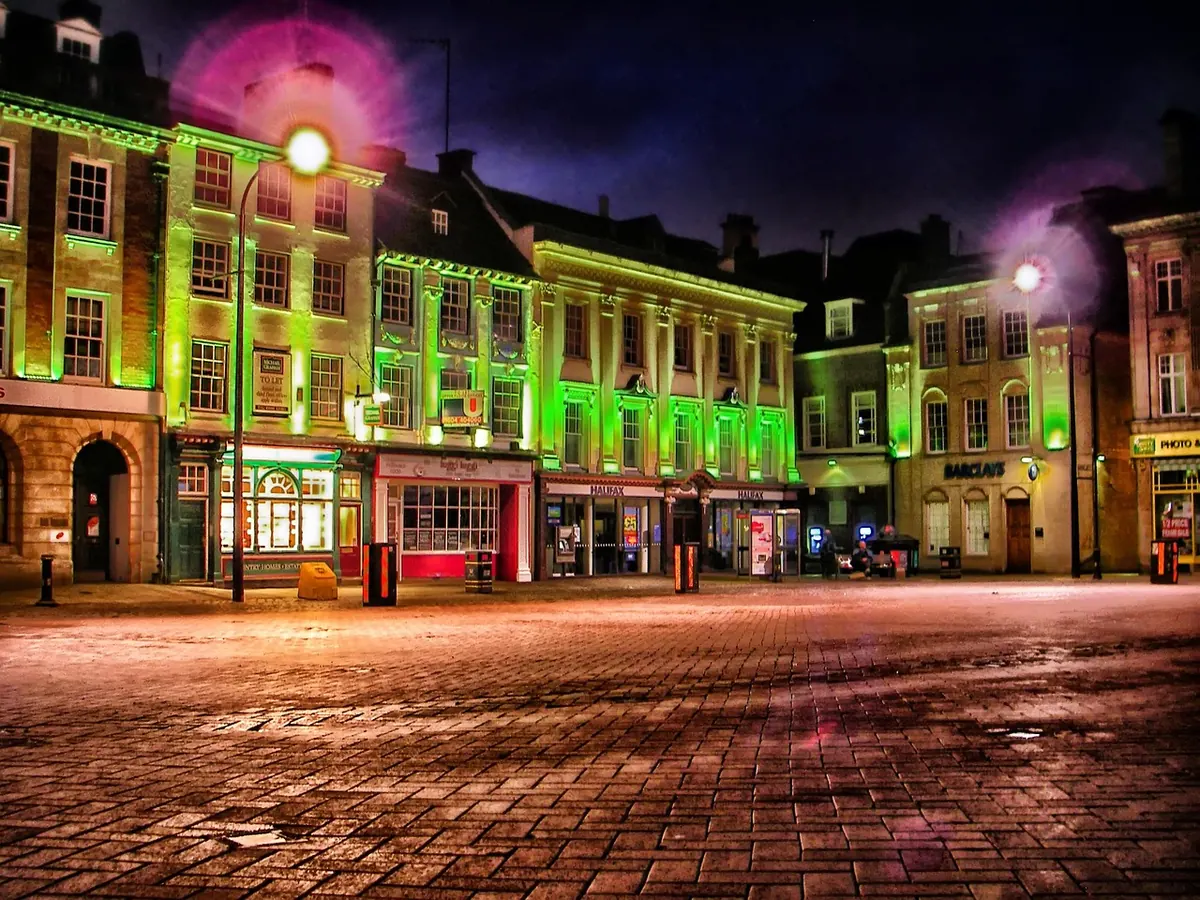
Wisbech, March and Chatteris sit within a short drive of one another across the flat Cambridgeshire Fens, and each does a different job for the people around it. One is a historic port town with Georgian streets and a river running through the middle; one is a working town with a railway station and a busy high street; one is small enough to walk end to end in ten minutes. If you have recently moved to the area, or you are planning a day out, here is what each town offers, how market day tends to work, and the practical details worth knowing before you set off.
These towns grew where they did for a reason: a crossing, a bridge, a slightly raised patch of firm ground above the peat and silt. That history still shapes a visit today. Each town has a compact centre with a market place at its heart, and most of what you need — bank, pharmacy, butcher, cafe, library — is within a few minutes' walk of it.
Two things catch newcomers out. The first is distance. Roads here are straight and the land is open, so a trip looks short on paper, but a single tractor or lorry on a two-lane road can add ten minutes to any journey. The second is the wind. With few hedges or trees to break it, the market place can feel several degrees colder than your car suggests. A coat you can carry matters more than an umbrella.
Wisbech is the largest of the three and the most rewarding to walk around slowly. The North Brink and South Brink along the River Nene are lined with Georgian and early Victorian houses built on the profits of a working port, and the view back towards the bridge from the quay is the best introduction to the town.
The market place sits a few minutes inland, with stalls, cafes and the main shopping streets around it. Indoors, the Wisbech & Fenland Museum and the Octavia Hill Birthplace Museum are both worth an hour, and Peckover House, run by the National Trust, has a walled garden that surprises people who expect nothing but flat fields.
Practical notes: the one-way system and the river crossings can be slow at peak times, so park in one of the town centre car parks and walk rather than circling. Check the signs — several car parks use disc or app-based systems rather than barriers and tickets.
March is the town you use rather than admire, and that is meant as a compliment. It grew around the railway, and the station still makes it the handiest of the three for anyone commuting towards Ely, Cambridge or Peterborough. Trains run regularly through the day, and the walk from the station into the centre is short.
The market place is wide and easy to cross, with supermarkets, banks, cafes and a good spread of everyday shops nearby. St Wendreda's Church, a little way out of the centre, is famous among church-crawlers for its carved angel roof and is worth the detour. The Old River Nene and Well Creek give you flat, quiet walking on the edge of town, and the town museum fills a wet afternoon.
Practical notes: March is the best of the three for a quick errand-and-home trip. Parking is generally straightforward, and if you are arriving by train the centre is close enough that you do not need a taxi.
Chatteris is the smallest and the easiest to like on a slow morning. The high street is short and walkable, with a weekly market, independent shops, a bakery, a butcher, cafes and a library, plus a leisure centre for swimming and classes. The parish church of St Peter and St Paul anchors the top of the town.
What Chatteris lacks in scale it makes up for in ease. Parking is rarely a struggle, queues are unusual, and the lanes and droves leading out of town are good for cycling and short walks. If you want a gentle introduction to fenland life rather than a full day out, start here.
Market days are the spine of the week in all three towns. As a rough guide:
Trading days have moved around over the years, and some towns now add occasional farmers' or craft markets alongside the regular ones. Check current listings from Fenland District Council or a town noticeboard before you plan a trip around a particular day.
Most of what makes a first visit go well is ordinary preparation rather than local knowledge.
Rather than trying to cover all three towns in one day, pick one and give it a few hours:
After two or three visits the towns stop being a list and start having purposes. Wisbech becomes the place for a proper afternoon out, March the one for a train and a full shop, Chatteris the one for a quiet hour with a coffee and no queue. That shift is usually the sign that you have settled in.
Photo: 12019 / Pixabay