Comparing Fenland Property Types: Stone Cottages, Bungalows, and New Builds
Travel the road from Ely towards Wisbech and you pass the same three buildings again and again: a Victorian brick cottage sitting close to the verge, a low bungalow set back behind a wide gravel drive, and a knot of houses built within the last twenty years. Each shape makes sense in the fens for different reasons. Which one suits you has less to do with taste than with how much maintenance you want to take on, what you can spend keeping it warm, and how the ground behaves beneath the floor.
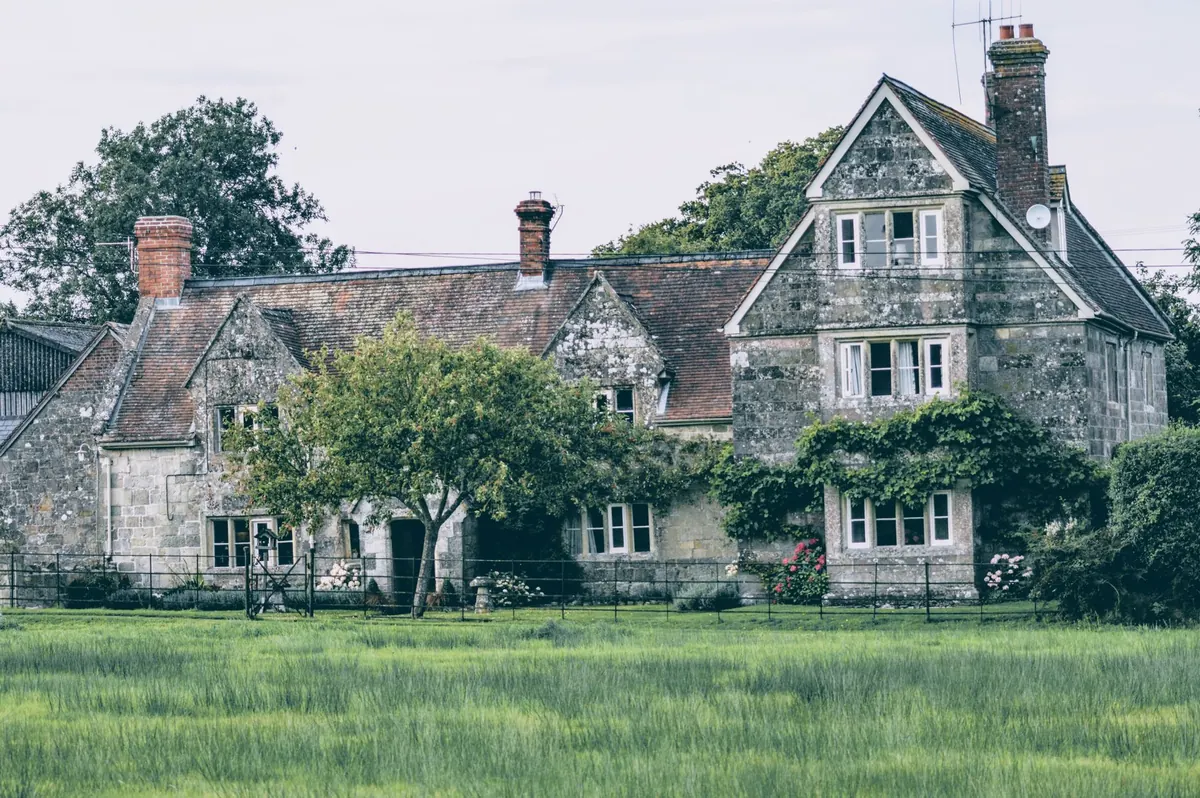
Fenland cottages were built from whatever lay close to hand. Around Stamford and the western edge you find limestone; further east, the strong local brick, sometimes rendered and sometimes left bare. In west Norfolk, carrstone gives that rusty, speckled look. Roofs are usually pantile or thatch, and the pitch tends to be low by inland standards, because weather here crosses flat ground with nothing to slow it down.
Inside, expect solid walls with no damp-proof course, lime mortar rather than cement, and floors that have moved with the ground. None of that is automatically a fault. An old fenland wall is a breathing system: water needs to leave as well as arrive. Cement render, plastic masonry paint and insulated plasterboard can seal moisture in, which is why well-meant modern repairs sometimes create the damp they were supposed to cure.
Few parts of England have as many bungalows per mile as the fenland towns and villages. Flat plots, generous frontages and a planning tradition of low density made single-storey living the obvious answer from the 1950s onwards. The result is a large stock of solid, sensible homes that are three bedrooms wide and one storey tall.
Their advantages are practical. No stairs. Single-storey extensions are usually simpler to build than a two-storey addition, and they rarely upset neighbours' light. Roof space is often usable, subject to headroom, and a loft conversion can add a bedroom without touching the footprint. Because so many people want to downsize without leaving the area, a bungalow of a given floor area often costs more than a two-storey house of the same size.
The catch is age. A 1960s bungalow may have unfilled cavity walls, thin loft insulation, draughty suspended timber floors and a boiler at the end of its life. Roof area is large relative to floor area, so heat escapes upwards unless the loft is done properly. Kitchens and bathrooms are frequently small, and garages have often been half-converted into a utility room. None of this is unfixable, but price the work before you fall for the garden.
A house finished in the last decade behaves differently from anything older. Insulation, airtightness, underfloor heating, mechanical ventilation and a heat pump are the norm. Running costs can be lower, and the first few years are usually covered by a warranty, typically a ten-year structural policy alongside a two-year defects period.
The trade-offs are space and setting. Plots are smaller, gardens are sometimes shallow topsoil over builders' rubble, and parking is often a designated bay rather than a drive. On some developments, communal areas, play equipment or drainage features are managed by a company, which means an annual charge. Ask who owns and maintains the road, the pumping station if there is one, and any shared soakaway.
Heat pumps also ask for a change of habit. They work best running steadily at lower temperatures rather than being switched on for an hour in the evening like a boiler. New owners who treat them like gas often conclude the system is broken when it is simply being used wrongly.
Fenland soil is a mix of shrinkable clay, silt and peat, and much of it has been drained and farmed for centuries. Peat oxidises and settles; clay swells in a wet winter and shrinks in a dry summer. That movement shows up as seasonal cracks, doors that stick in August and free themselves in January, and stepped cracking at corners. Trees make it worse — willow, poplar and mature oak pull moisture out of clay for a surprising distance, and a tree that predates the house is a different risk from one planted last year.
Flooding is the other question. Rivers, drains and washes all feature, and surface water can be as much of a problem as river flooding on a heavy clay plot. Check the flood risk maps for the postcode, ask the seller directly whether the property has ever flooded, and get an insurance quote before you make an offer — the answer can change your plans quickly.
Money, legal and structural matters vary enormously from property to property. Take advice from your own solicitor and an independent surveyor rather than relying on a summary from anyone with an interest in the sale.
There is no single right answer in the fens. The cottage rewards patience, the bungalow rewards imagination, and the new build rewards attention to detail in the first two years. Decide which of those you have most of, and the choice becomes considerably easier.
Photo: Wayne Evans / Pexels
Previous Post
Buying a House in the Fens: 7 Checks for Flood Risk and Drainage
Next Post
Common Mistakes When Renovating a Fenland Cottage